


📚 Life in India, Julia Child’s kitchens, Making boring writing fun, 100 Year old cat memes, Model love
What is an art gallery anyway, Eulogy for the fallen Champa Tree and more

Hello, this is post #182.
It’s the Diwali season! I put this post together during a layover in Mumbai, my third visit to the city in as many weeks—more than I’ve made in the last three years combined. The airport here is starting to feel like a second home!
A brief stopover in Indore allowed just one essential activity: breakfast at 56 Dukaan. And breakfast we had! The usual Poha, Samosa, Pattis, plus a few new treats. Indore never disappoints on the food front, and I couldn’t help but notice the city’s commitment to cleanliness. At 56 Dukaan, single-use plastics and paper plates are gone—an impressive step up. Indore is clearly in a different league when it comes to sustainability.
I’m posting this from my hometown, Khandwa—more on my time here in the next update.
Today’s mix is on the lighter side, filled with casual observations instead of deep dives. I’m planning to keep the mood easygoing in the coming week, just what I need in this fun yet hectic month of October.
Here’s a quick lineup for today:
Let’s get going…
🇮🇳 Life in India
Rohit Krishnan stuck a chord with me when he says life in India is a series of bilateral negotiations conducted a thousand times a day. And that drives the character of life here.
He vividly captures his experiences, which feel quite representative, and delves into the roots of this unique way of living. His insights have been helpful in shaping my understanding of the underlying dynamics. A couple of snippets from the post…
On why India suffers in spite of competent formal institutions…
A simpler explanation might be that institutions are easy to set up well at the top, but incredibly difficult to make percolate into the whole society. Why would, after all, you decide to follow the traffic rules? Even in the West there’s no sufficient enforcement possible that can catch everyone who speeds. Or to stop people littering. But still we do it. So it can’t just be the stick trickling down from formal institutions. The informal bottom up behaviour clearly matters.
On our bad traffic & driving norms…
What causes the average driver in Indian roads to treat driving like a game of water filling cracks on the pavement? It's not trust, it's the lack of an agreed upon equilibrium. There's no norms to adhere to.
We might as well call those norms culture.
Normally this movement to the new Schelling point happens first as a result in better enforcement mechanisms. If the rules that exist start being applied much more stringently, then they just start becoming a part of normal behaviour.
🧑🍳 Julia Child’s Kitchens
To understand how Child’s kitchen became an icon of user-centeredness, we need to recall the central aim of her work: to break down and rationalize the complexity of cooking, from selecting ingredients to organizing a prep space to serving a meal. The French Chef presented cooking expansively as an activity — or a series of activities — that could be “mastered” and, ultimately, enjoyed. For 30 unedited minutes, Child talked viewers through the fundamental tools, techniques, and steps required to prepare a dish. 3 While other shows stopped there, with the successful realization of that dish, Child moved to the dining room to discuss pairing the results with wine or champagne, leaving viewers with a cheery “Bon appétit!” — an invocation to savor the fruits of their labors.
I don’t know much about Julia Child or her TV show, but this snippet from Barbara Penner and Charles Rice’s article for Places journal intrigued me, and I’m glad I read the essay.
It’s a blend of academic and cultural study, showcasing how one person’s genuine passion and intentionality can spark a movement. Many factors likely contributed, but Julia Child’s approach stands out as a defining influence.
🪲 Making Boring Writing Fun
Ann Handley shares a great example of boring writing done in a fun way. It’s just 170 words tucked into a belly of a 7,000-word article. And it’s about stink bugs.
Here’s what she is referring to…

You may have already felt the magic of this piece. Check out Ann’s post to enjoy it more. A super short read worth your attention!
(via Storythings)
😻 100 Year Old Cat Memes
It is a fundamental law of media history: as soon as a new communications technology emerges, people will use it to make pictures of cats. And those cat pictures show not only the special relationship between humans and their pets, but the changing ways that humans relate to one another.
The statement might sound exaggerated, but it’s true—that’s the magic you will experience in this post, 'Postcards are the email of their day'.
We all know about the cat meme phenomenon, but it’s fascinating to see how something similar existed over a hundred years ago, just in a different form: postcards. Today, we might not see postcards in this way, but give this post a read, and you’ll be surprised. Here’s a sample…
"Postcards were seen as so fast," Cure says. "There were lots of complaints about what postcards were going to do to people's reading and writing skills, because if you could just dash off a few lines, why did you need to actually learn grammar and become a good writer?"
Fascinating, isn’t it? And there’s plenty more where that came from—not to mention a good dose of vintage cat memes!
Just go for this.
🖼️ What is an Art Gallery Anyway?
Jacqueline Calladine asks and attempts to answer the question - What is an Art Gallery anyway?
She has covered a brief history…
The gallery system as we know it today began at the end of the 18th century with the decline of art patronage. With more and more artists creating work outside of the commissioned art model, the role of the art dealer emerged and in 1794 the first shop specifically designed for the sale of artworks opened in London, called the “Gallery of Fine Arts”.
What stood out for me were her keen observations on the culture and conventions that shape the world of art galleries.
Art is not bought, it is ‘acquired’.
Someone who purchases art is a ‘collector’ not a buyer.
A shop display of art is an ‘exhibition’.
A quick read—a perfect palate cleanser.
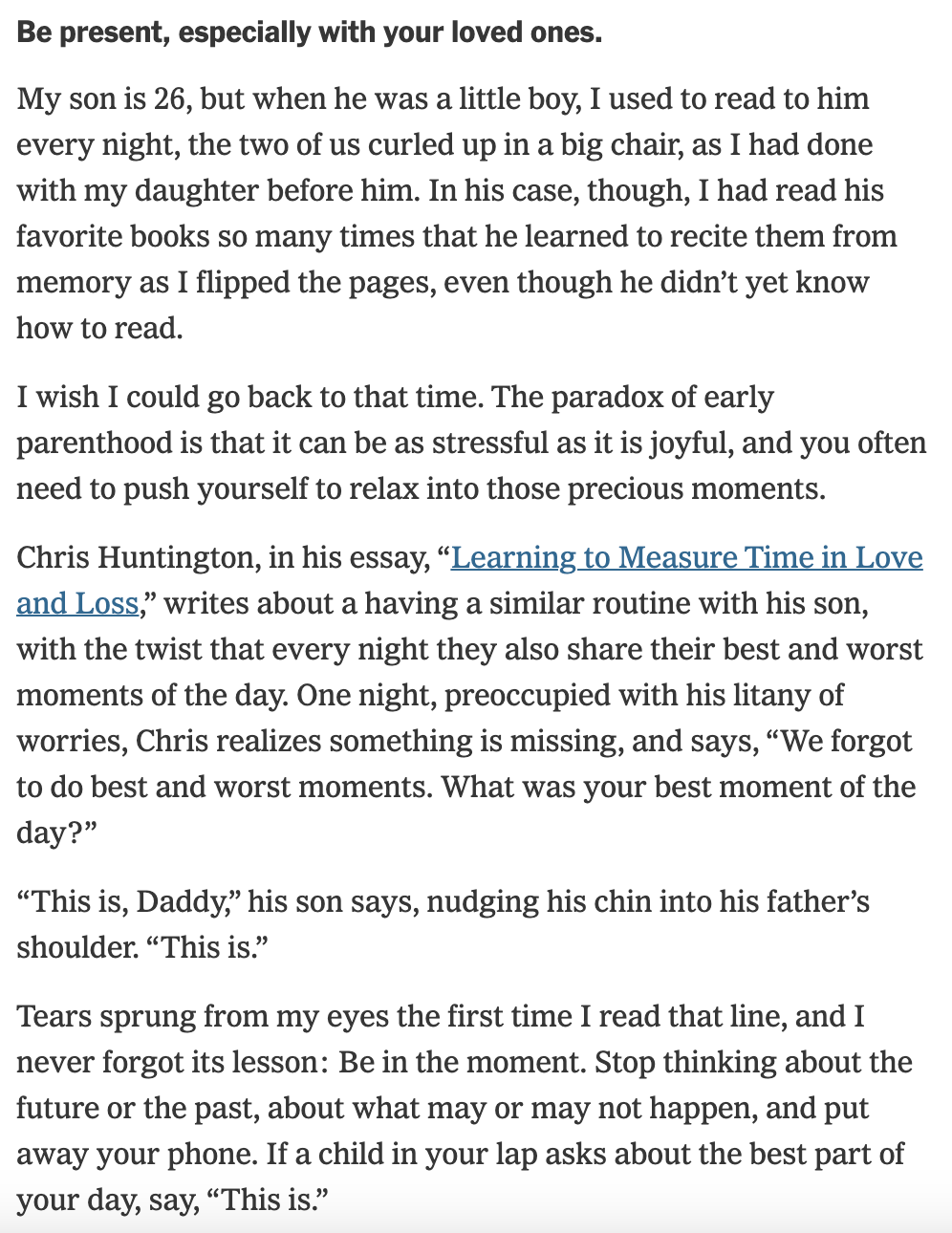
♥️ Modern Love
Daniel Jones has edited the Modern Love column for 20 years. He captures a few lessons about love and life that reading 200,000 love stories has taught him. He titled it - “Seven ways to love better”.
His writing gave me a certain joy! It felt personal and direct from the heart. Here’s my favorite pick.
🌳 Eulogy for the Fallen Champa Tree
Ritika’s “Eulogy for the fallen Champa Tree at Rabindra Bhavan” is one of the most moving pieces I’ve read recently. It beautifully captures the emotions and memories she shares with us.
And, he, in turn, spoke to me of its peaceful fall. “It had begun to come down on Friday, the 6th of September”, he informed. And by Sunday, when the offices were closed and most of the white-collar staff was on leave, the Tree had completely detached itself from the brick cage and onto the yellow bench. Frangipanis, generally don’t grow into massive trees in Delhi. However, the one at the Rabindra Bhavan was huge- one of the largest I have seen in the city, sheltering as many as seven full-sized benches strategically placed under it. One would expect it to fall with a thud. Instead, “it was very gentle, very quiet in its fall”, the guard recalled. “Ekdum shaanti se gira, kisi ko kuch nuksaan nahi”, he tilted his head and closed his eyes for a few seconds as he recalled the details, as if the Tree had only fallen into a deep sleep.
Sometimes, Substack's feed surprises you with gems like this! Thank you to whoever programmed the algorithms for these serendipitous finds.
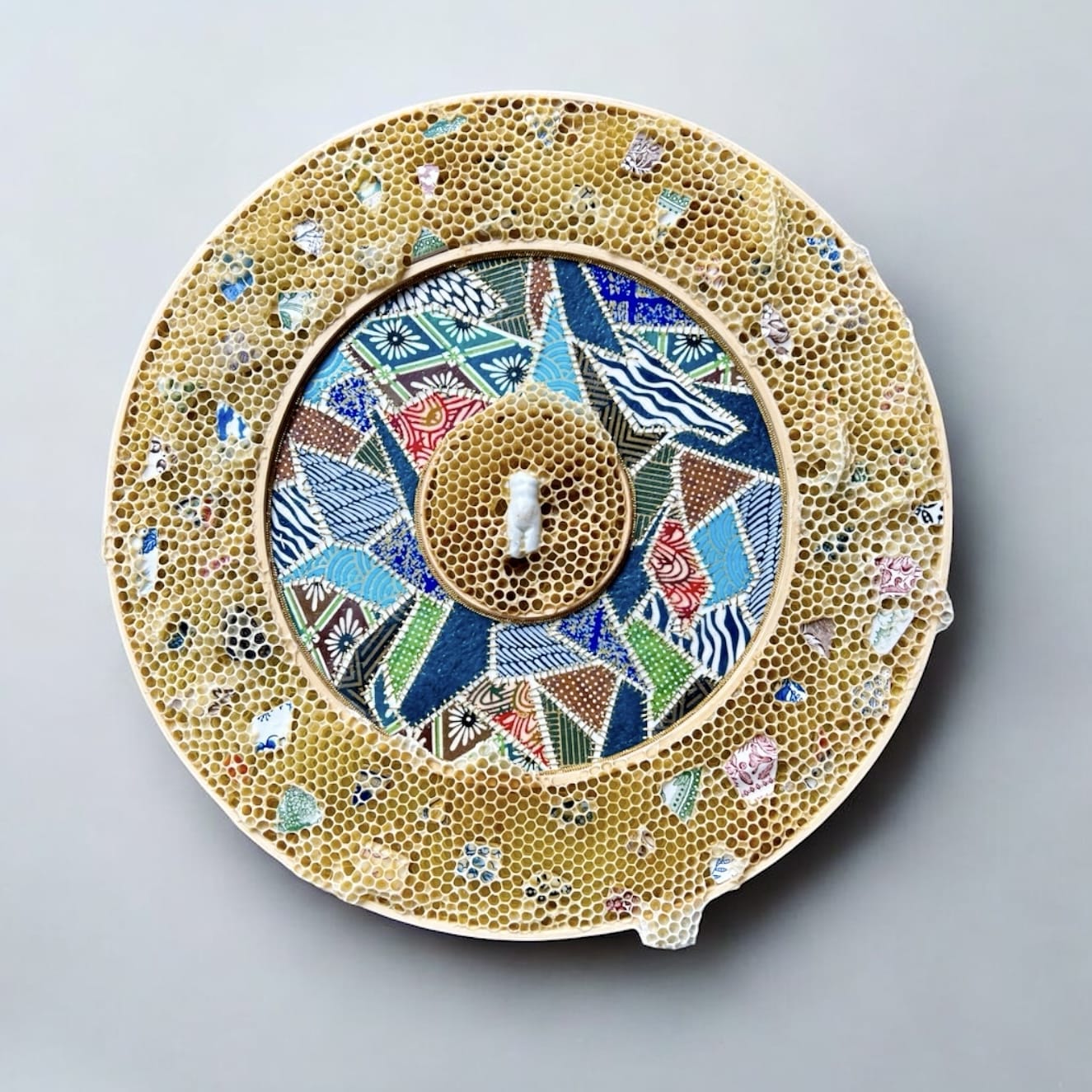
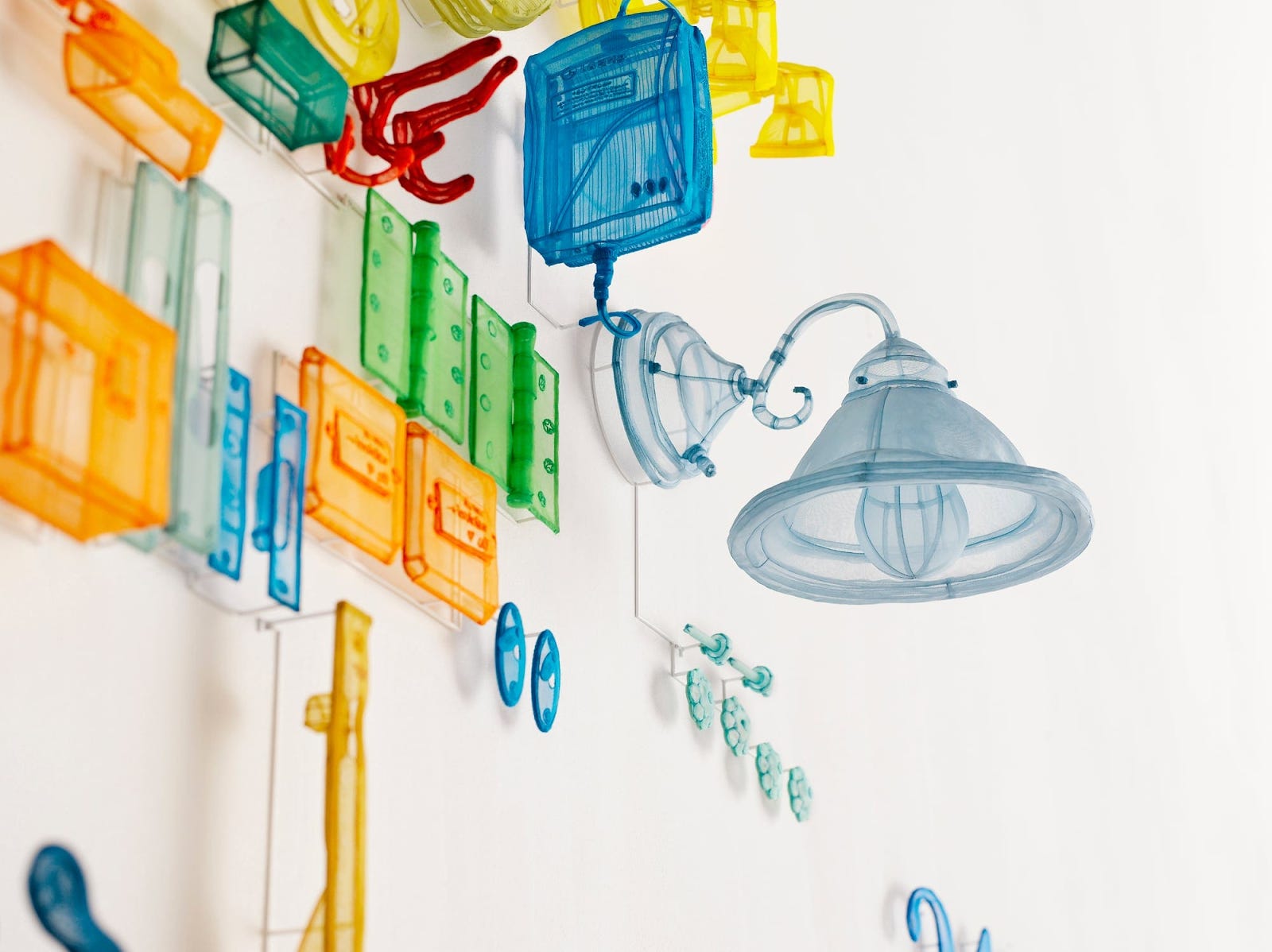
🎨 Colossal Photo Essay
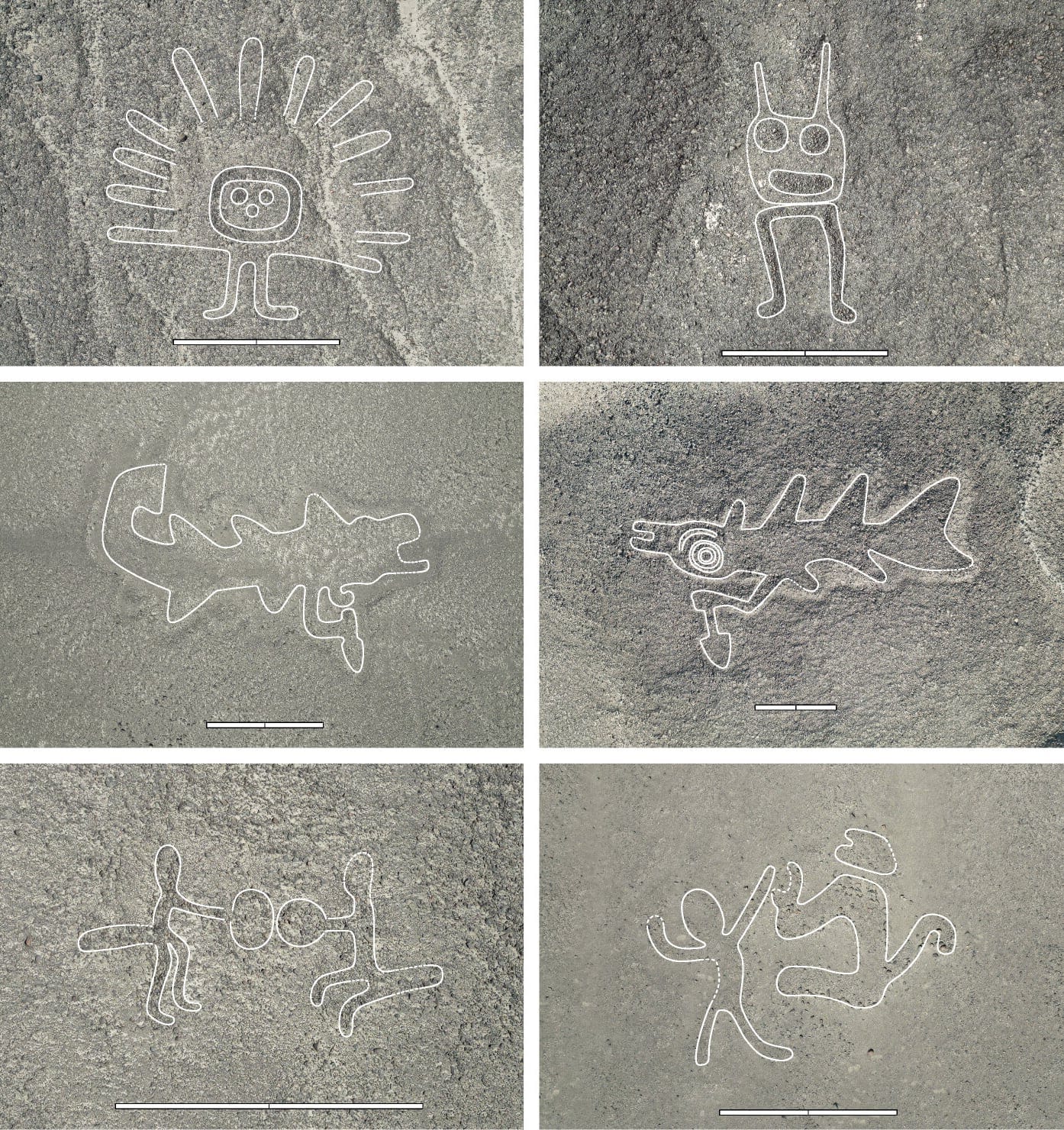
Colossal curates stunning visual and creative stories from around the internet, and I find its content refreshing and inspiring. I usually share my top picks from there in the “Everything Else” section. Today, I’m highlighting some recent favorites, complete with quick visuals to give you a taste of what I mean. Enjoy!
✨ Everything else
Kent Peterson and Tom Hanks are typing pals. They’ve exchanged various notes over the years. This short note recalls how their correspondence started. Joyful!
I love cranberries, and have them around me on most occasions. I had no clue how they were harvested. My best guess was off by a mile! This video answers this and more.
⏰ In case you missed last week’s post, you can find it here.

That's all for this week, folks!
I hope I've earned the privilege of your time.
If you liked this post, please hit the ❤️ below, leave a comment or share with someone who will find it useful too. It’s highly encouraging.
Having grown up in an era where post cards were an essential means of communication, the reference to postcards and writing brought back nostalgia. I remember my mom filling every nook and corner and in every direction of post cards (and especially inland letters). Her most precious instructions and thoughts were mostly often found in the margins on the side 😁
And the falling of Champa tree, wow. Such a magnificent description. 👍🙏
Happy Diwali, slightly in advance, Pritesh. To you and your loved ones and to all your readers and subscribers 🪔